

BeastLink — datalinks
Three datalinks. One open module standard.
The link is the part a mission cannot lose, so we build it ourselves: BeastLink HD carries video and data, BeastMLRS carries long-range RC and telemetry, and BeastSDR combines both for contested environments — all as swappable modules on the same open standard that also takes the third-party radios of record.
flown, not simulated
stick to airframe
FIPS 140-3 level 1 compliant modules
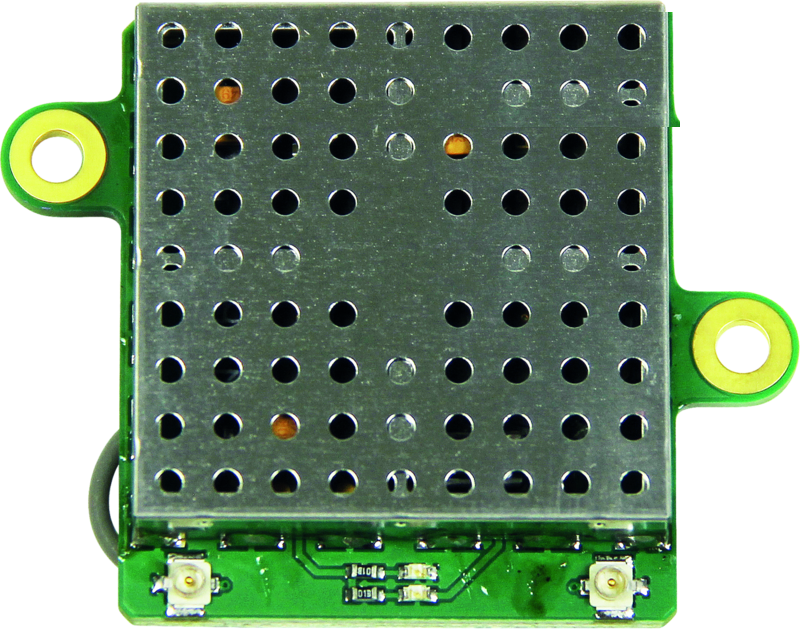
BeastLink module — series hardware, no renders
Made in Germany
on the same module standard
module slots on the backplane — plus an optional external modem and two optional external batteries
The family
One link per job — not one link for everything.
Every BeastLink runs in the same module slot, under the same BeastOS link management and the same signed-firmware chain. Programs pick the link per mission profile and swap without touching the station.
BeastLink HD
The high-speed datalink of the platform: video and data on one link, tested at 100 km — flown, not simulated — with 2–10 ms control latency alongside. AES-256 encrypted end to end on FIPS 140-3 level 1 compliant modules, and the airborne half of the 35–45 ms glass-to-glass FPV chain with BeastCAM S.
BeastMLRS
The long-range control layer: RC and telemetry on a link built to stay up when everything else degrades. BeastMLRS flies on its own where a program needs pure control range — and rides on board BeastSDR as its control layer.
BeastSDR
Video, data and control on one unit: our proprietary OFDM waveform with BeastMLRS on board, built for the CE-compliant domain and for contested environments — the waveform a jammer cannot read.
Family comparison
The three links, row by row.
The top five rows are what separates the three links. The bottom five are identical on purpose — one slot standard, one interface, one crypto policy, one signed firmware chain, so a link swap is a module change and not a program change.
| Figure | BeastLink HD | BeastMLRS | BeastSDR |
|---|---|---|---|
| Carries | Video and data on one link | RC and telemetry | Video, data and control on one unit |
| Tested link range | 100 km — flown, not simulated | Not published | Not published |
| Control latency | 2–10 ms stick to airframe | 2–10 ms stick to airframe | 2–10 ms — BeastMLRS on board |
| FPV video, sensor to glass | 35–45 ms with BeastCAM S | No video payload — control layer | 35–45 ms with BeastCAM S |
| Waveform | Ours, high-rate video and data | Ours, long-range control layer | Ours, OFDM — sync and hopping derived from the mission key |
| Encryption | AES-256 end to end | AES-256 end to end | AES-256 end to end |
| Crypto module | FIPS 140-3 level 1 compliant | FIPS 140-3 level 1 compliant | FIPS 140-3 level 1 compliant |
| Firmware | Signed chain, station to module | Signed chain, station to module | Signed chain, station to module |
| Slot and interface | 4 module slots per station · UART, USB, Ethernet, CAN | 4 module slots per station · UART, USB, Ethernet, CAN | 4 module slots per station · UART, USB, Ethernet, CAN |
| Compliance | CE · FCC · NDAA | CE · FCC · NDAA | CE · FCC · NDAA |
Latency, measured twice
Two latency numbers. Never one.
Control latency and video latency are measured between different endpoints, so they cannot be the same number. A vendor quoting a single figure is quoting whichever one reads better. We publish both, with the endpoints named.
Read it as a buyer: the 2–10 ms band is what the airframe feels when the operator moves a stick. The 35–45 ms band is the whole FPV chain with BeastCAM S — sensor, link and station glass — and it is the number that decides whether a pilot can fly a gate at speed.
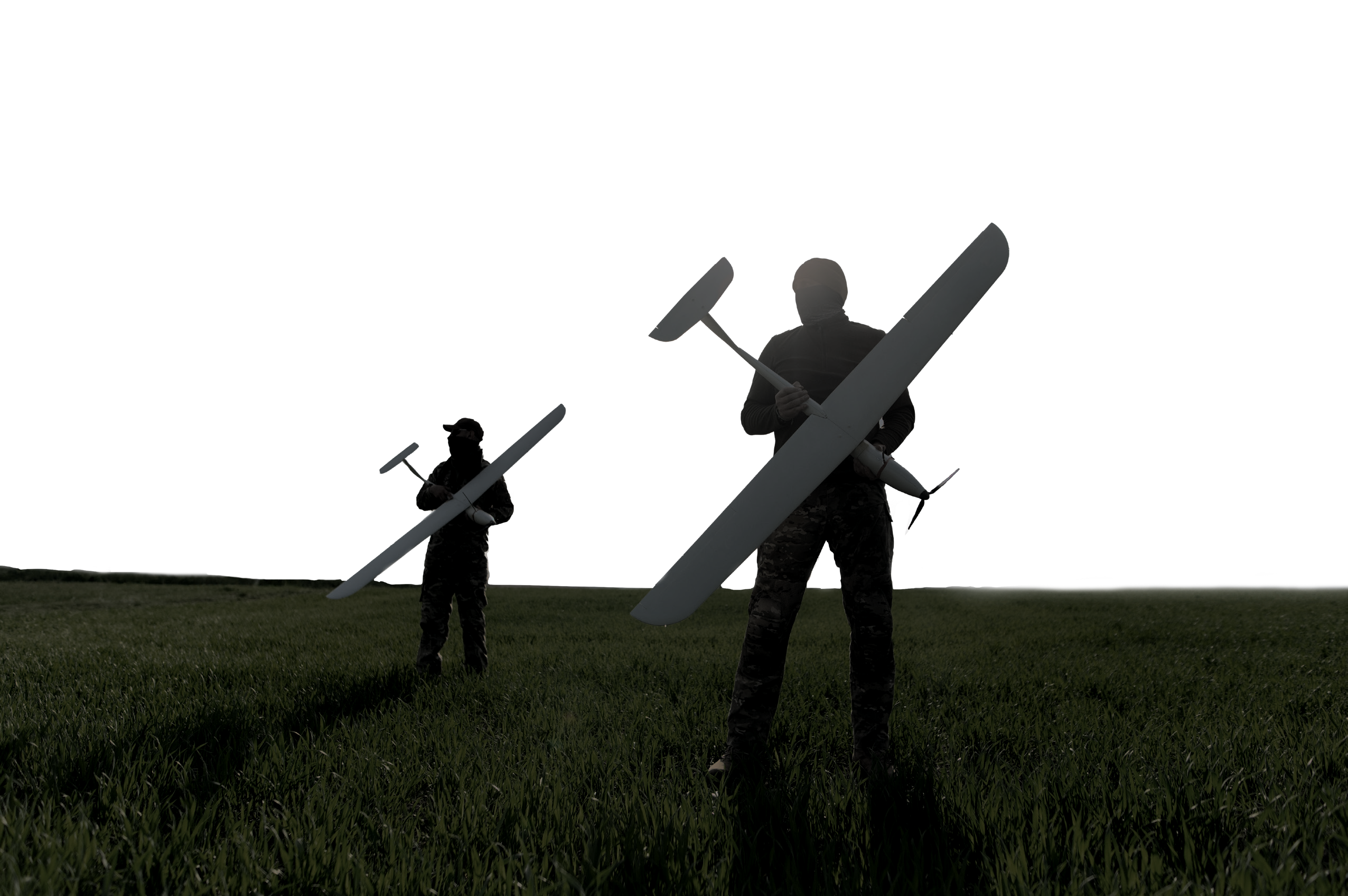
BeastSDR — built for contested environments
A waveform a jammer cannot read.
BeastSDR is our proprietary OFDM waveform with BeastMLRS on board as the long-range control layer, built for the CE-compliant domain. Its resistance is a mechanism, not a marketing word: synchronization and frequency hopping derive from the mission key.
Sync from the mission key
Synchronization and frequency hopping are derived from the mission key — there is no public pattern for an adversary to learn.
Opaque to protocol-aware jammers
A protocol-aware jammer finds nothing to correlate — no fixed structure to detect, follow or selectively attack.
Forced onto wideband power
The only option left is wideband power — which costs the jammer energy and gives away the jammer’s position.
BeastSDR carries video, data and control on one unit — one module in the same BeastTX module slot as any other link.
Stations carrying BeastLink are deployed in real operations today — proven under real combat conditions, as the catalog states it.
Open module standard
Your radio of record moves in.
The slots that carry BeastLink are an open standard, not a captive slot: four module slots per BeastTX station take our own modules and third-party radios alike. When a program’s radio of record changes, the station stays.
That openness sets the market split: our own BeastSDR serves the CE-compliant domain; where a program runs licensed high-power networks, the same four slots take the established MANET radios — Silvus, DTC, Taisync — through integration kits, instead of pretending to replace them.
- UART, USB, Ethernet and CAN at the module interface
- 4 module slots per station, plus an optional external modem and two optional external batteries — seven positions in all
- Integration kits for Doodle Labs, Microhard, DTC, Silvus Technologies and Taisync
- Third-party datalink options covering distances of up to 200 km
Integration kits:

 DTC
Silvus Technologies
Taisync
DTC
Silvus Technologies
Taisync
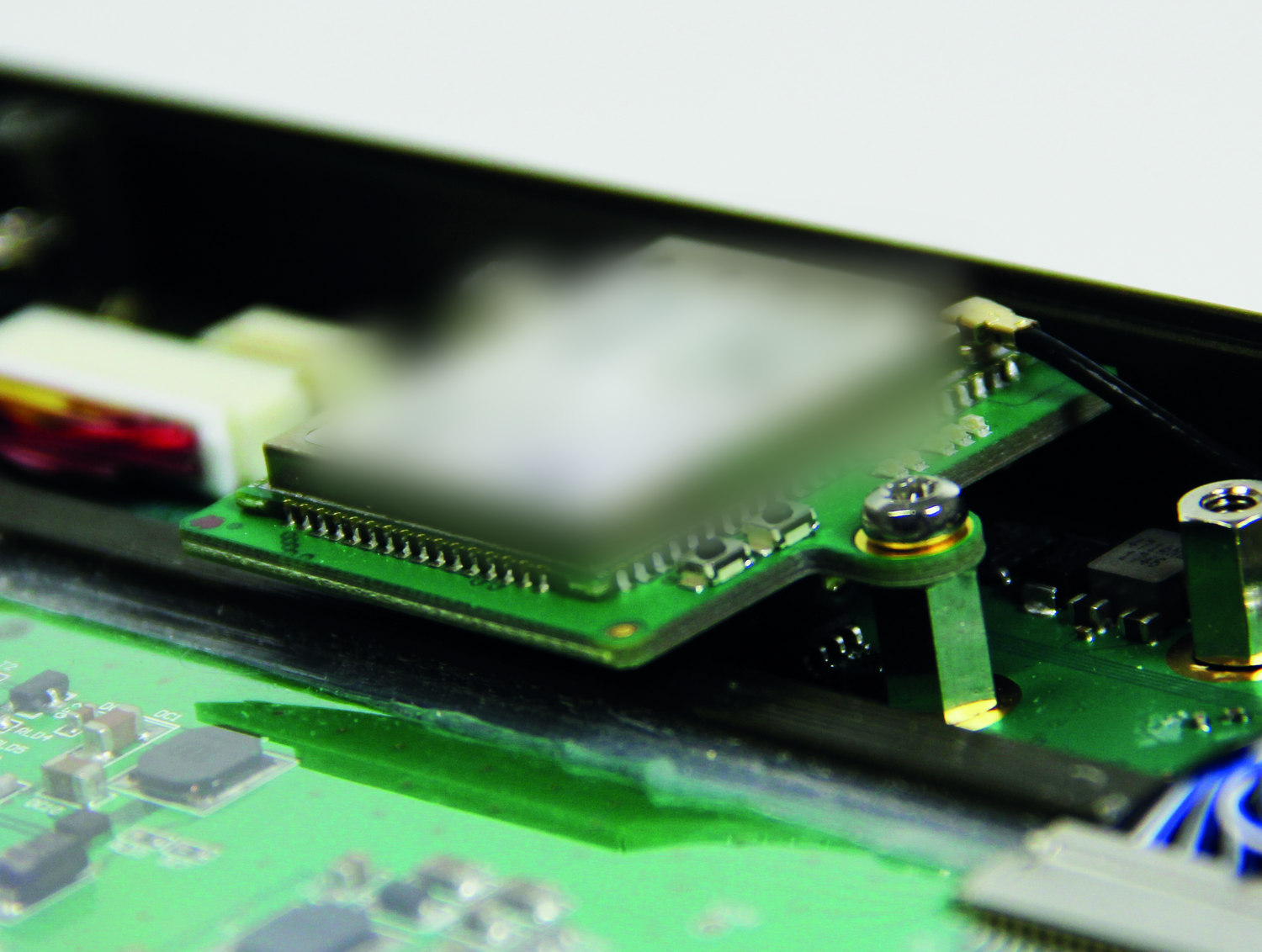
The standard, drawn
Four slots. Five lanes. One drawing.
An open standard is only open if the buyer can see it before signing. This is the slot count and the signal set every module meets — ours and yours, in the same carrier, with the same signed firmware chain. The optional external modem and the two optional external battery positions are drawn as what they are: mounts, not module slots.
Four module seats per station, five lanes per seat. A module change is a hardware swap and a firmware signature — not a redesign, not a new station, not a new training cycle.
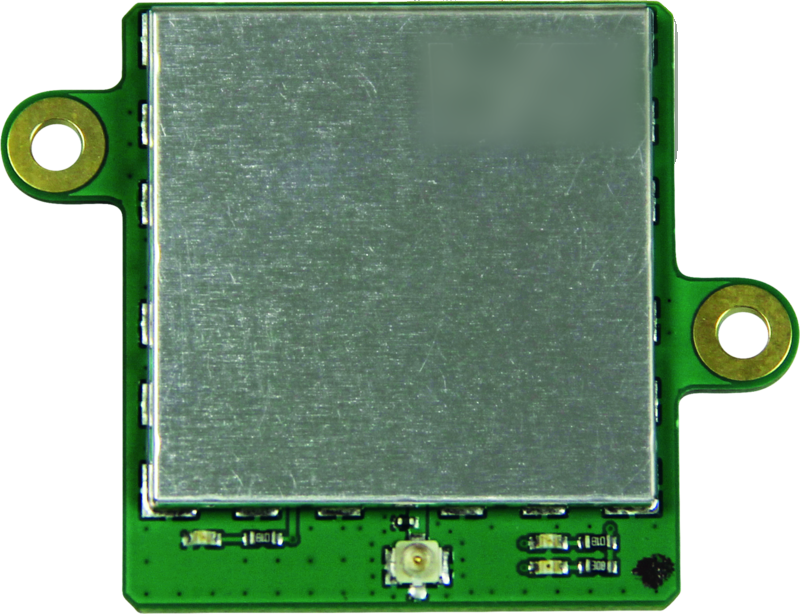
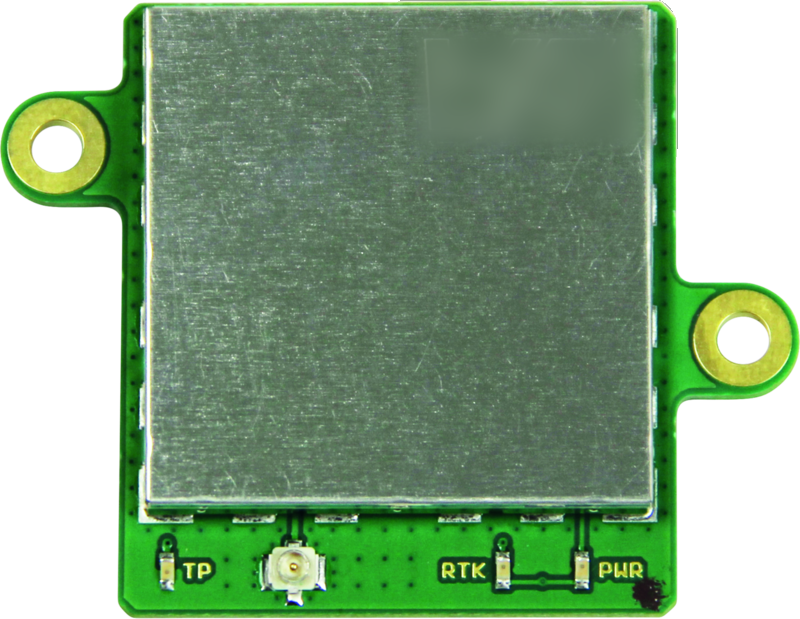
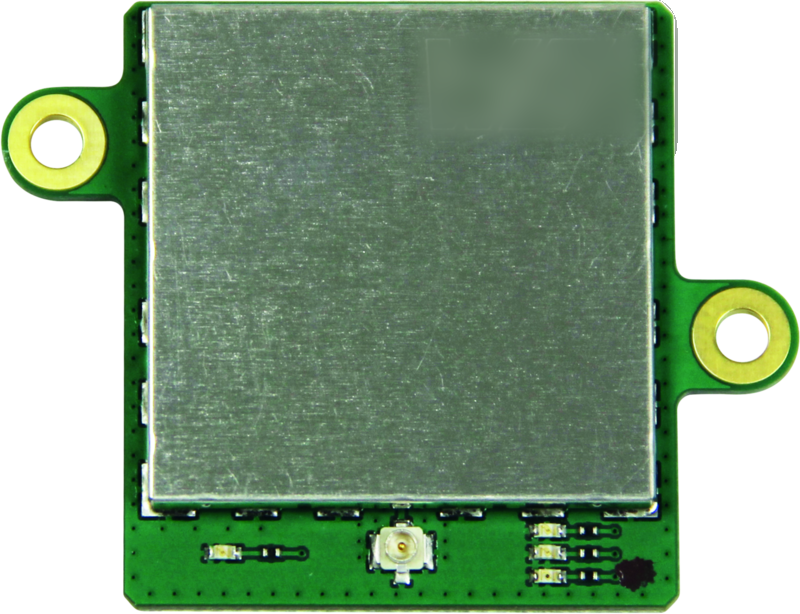
Series module photography — real hardware, no renders. Same carrier, same five lanes: your radio is the next photo in this row.
Next step
Specify the link. Keep the station.
Configure a BeastTX with the BeastLink — or the third-party radio — your program flies. The four module slots stay the same, so a link change is a module change and not a new station.